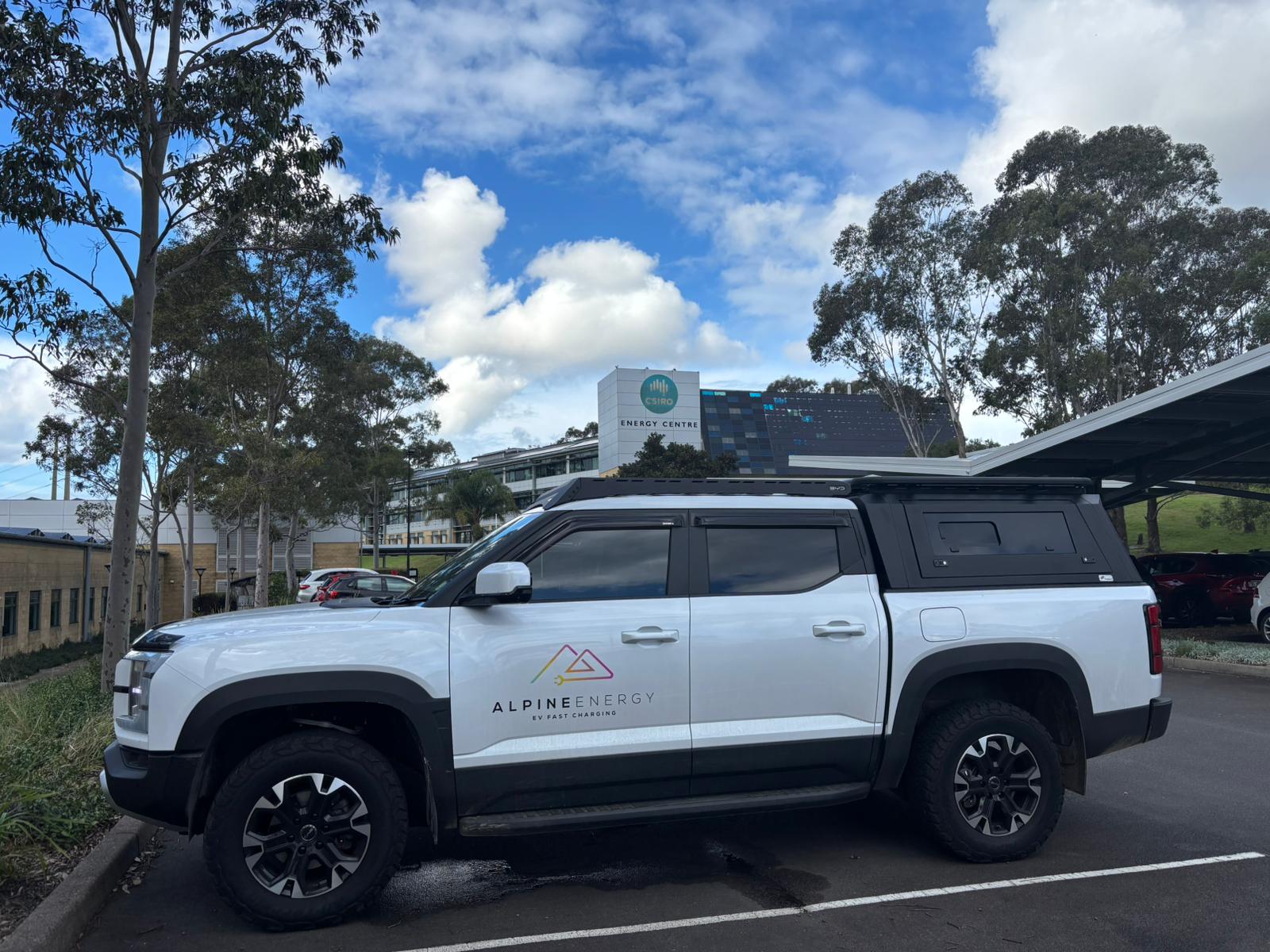
Alpine Energy joined the Australian Electric Vehicle Association (AEVA) Victorian Chapter for a site visit to Kinetic's zero-emission bus depot in Preston, the first bus facility in Victoria to charge its fleet using overhead gantry infrastructure.
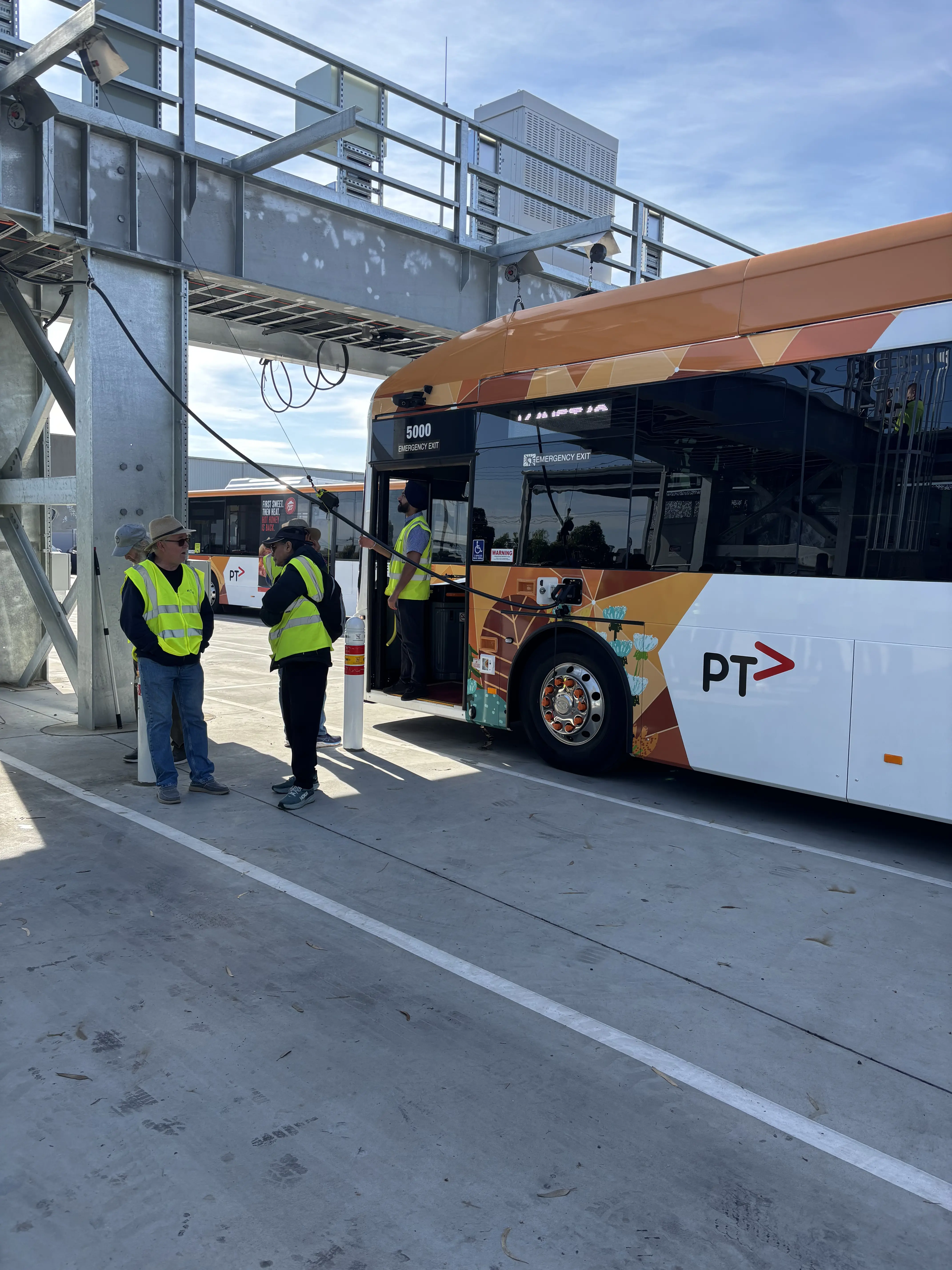
One of Kinetic's zero-emission buses in the charging bay beneath the overhead gantry.
The ride in
The visit started on board one of the new electric buses, which made the difference from a diesel equivalent obvious well before we reached the depot: quiet, spacious and noticeably more considered in its design.
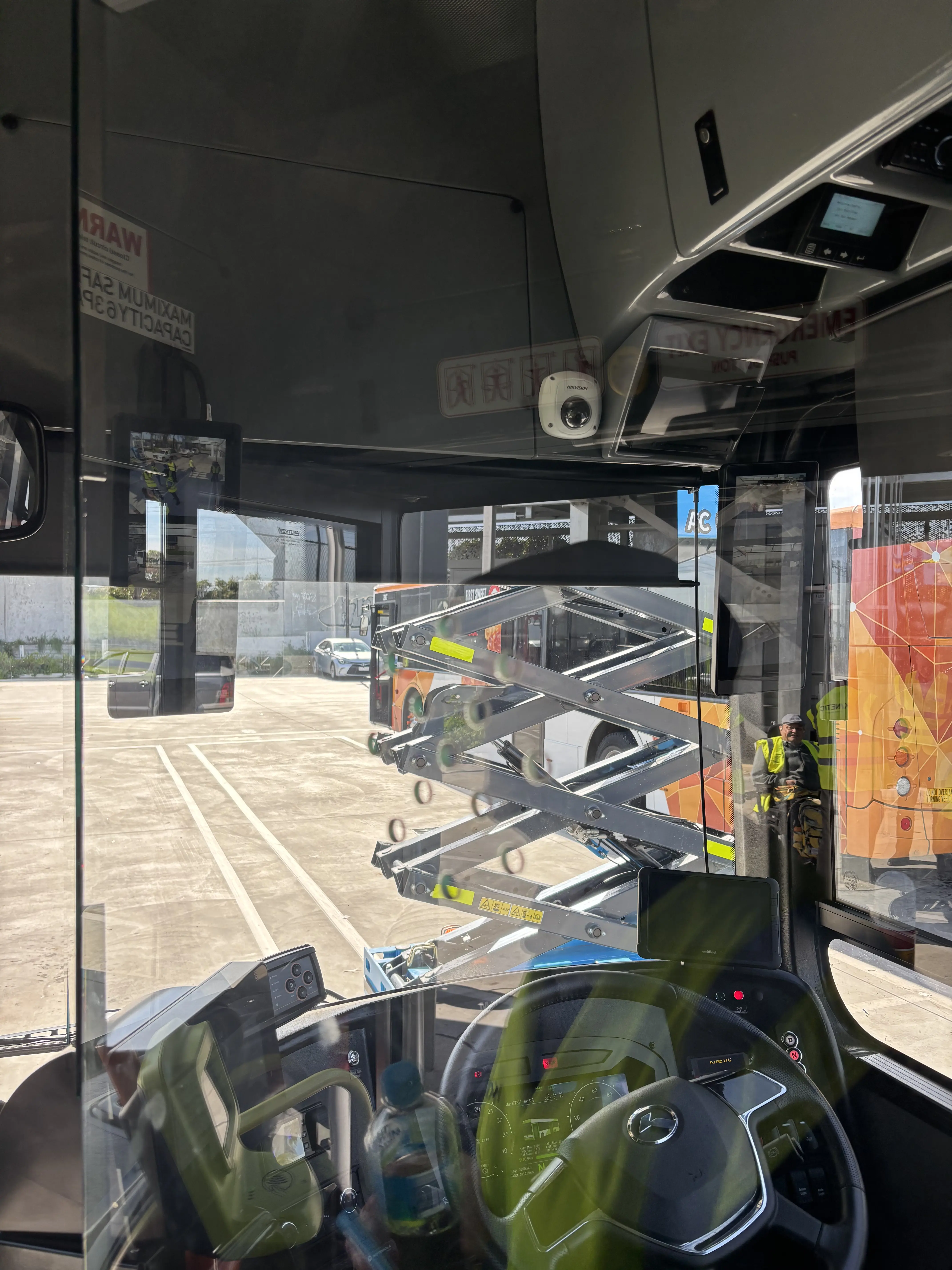
The detail that stood out most was the absence of wing mirrors. In their place, electronic mirror systems feed camera vision to displays inside the cabin, which is a small but telling sign of how far bus design has moved.
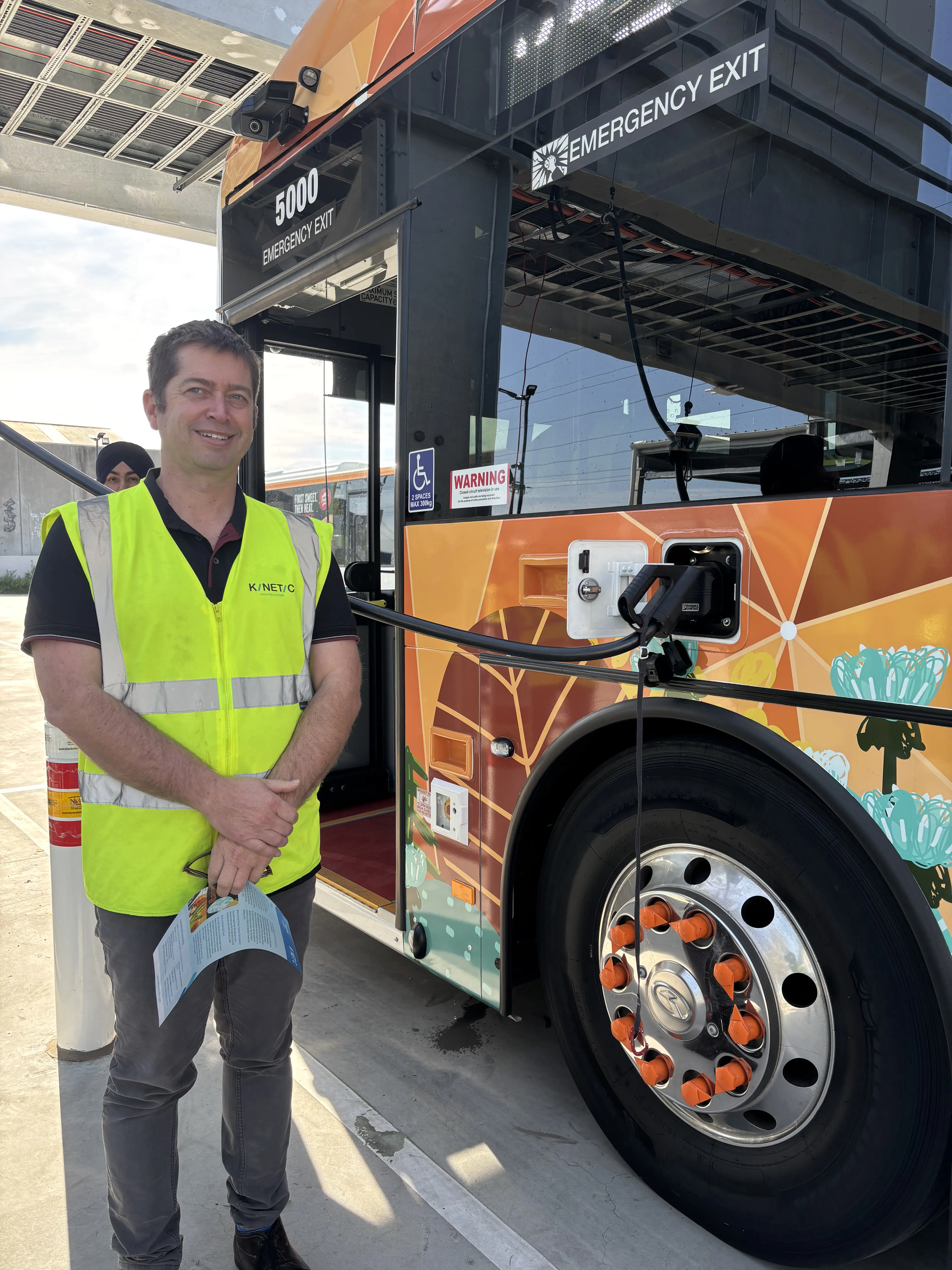
The front of the bus, with camera pods sitting where wing mirrors would normally be.
Inside the depot
At the Preston terminal, the group toured the site and its charging infrastructure, including the overhead gantry system and the installation works still under way across the yard.
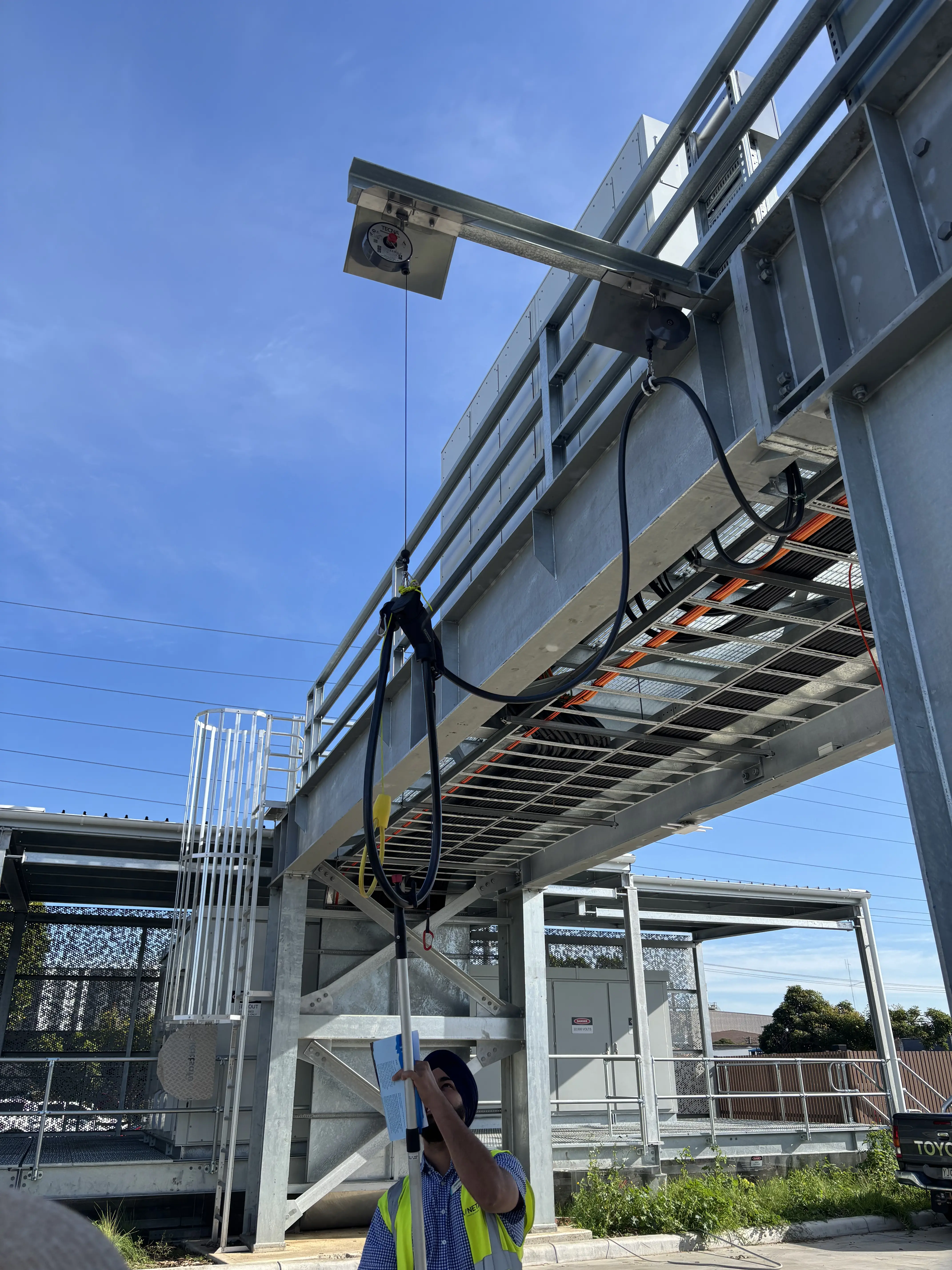
For anyone with a background in high-voltage infrastructure, the parallels to a zone substation were hard to miss. High-voltage supply lines feed the site and step down through an on-site transformer to local distribution, from where power runs across the overhead gantry to intermediate DC fast chargers suspended above the bus parking bays, each connected to a bus charge port by a pull-down cable reel.
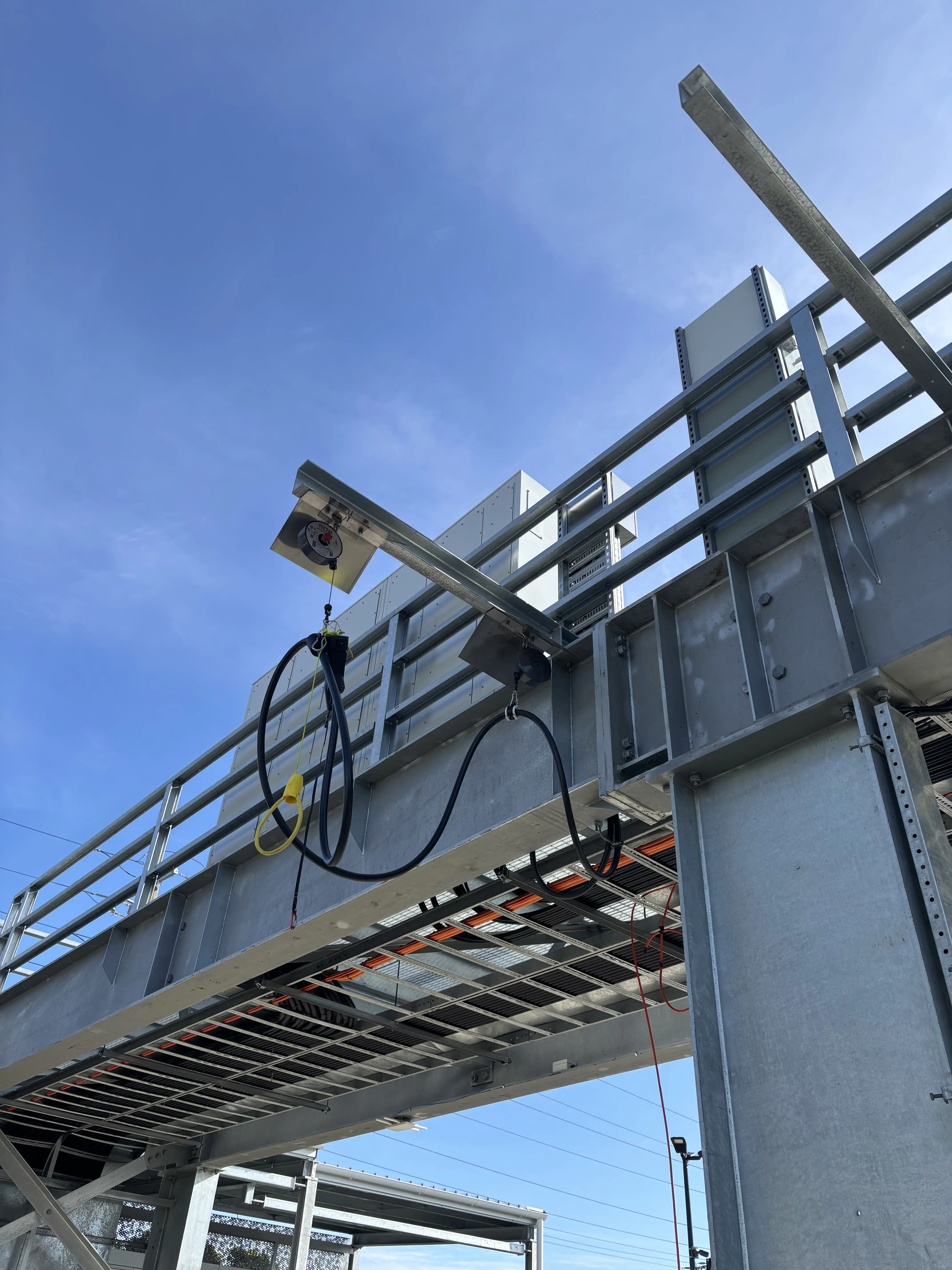
The gantry running the length of the bus bays, carrying the charging equipment overhead.
The gantry approach is a clever piece of engineering. Suspending the charging equipment overhead rather than mounting it at ground level allows the depot to avoid the 15–25% loss of parking capacity that ground-mounted chargers typically impose, while removing the tail-swing and panel damage risks that come with hardware sitting at bus level.
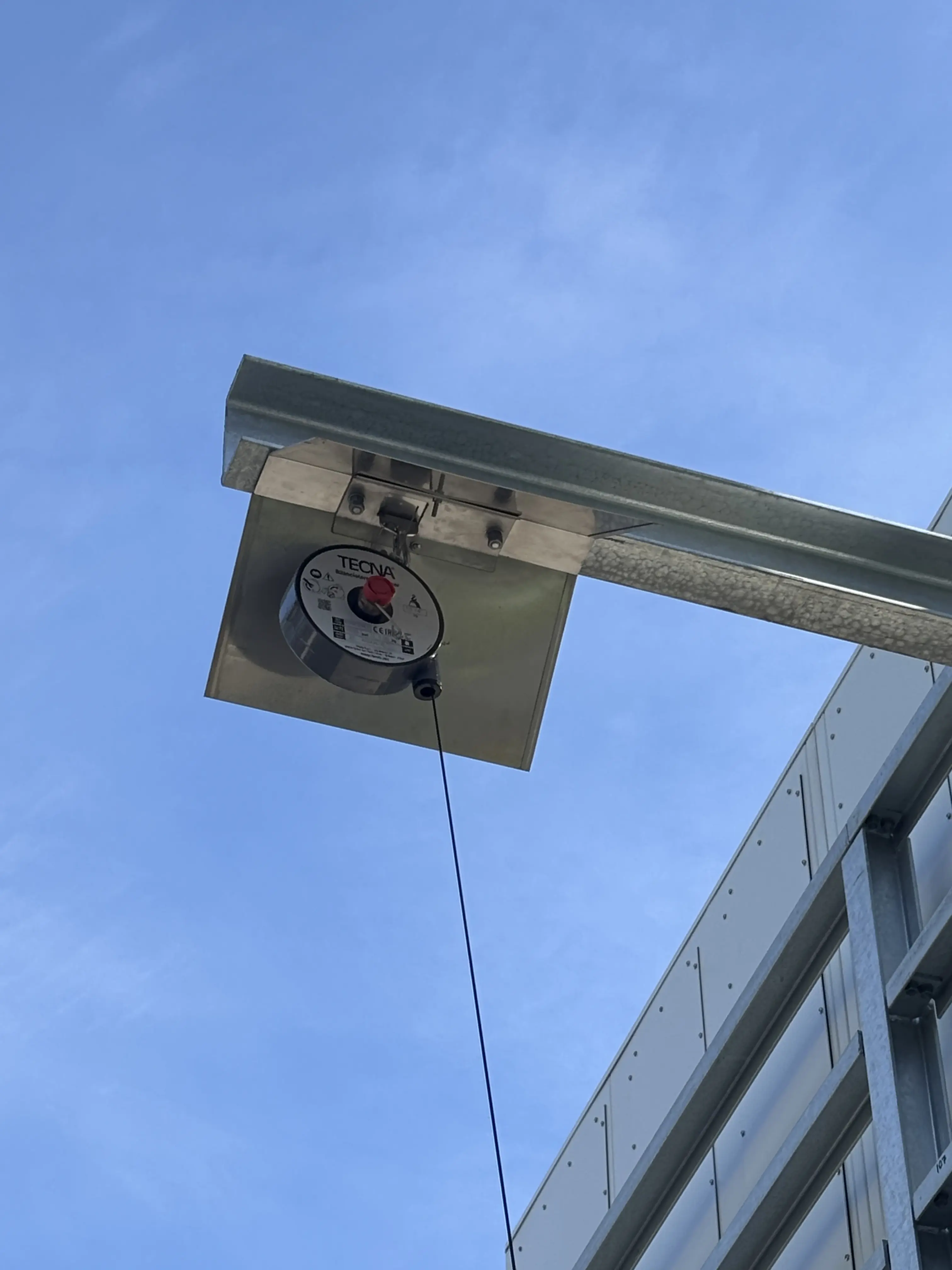
A charger head suspended from the gantry arm above the bay.
The pull-down cable reel and charge connection beneath the gantry.
Resilience has clearly been considered as well, with provision on site for a diesel backup generator to keep the fleet charged through a grid outage, and manual stop controls at bay level for isolating a charger when needed.
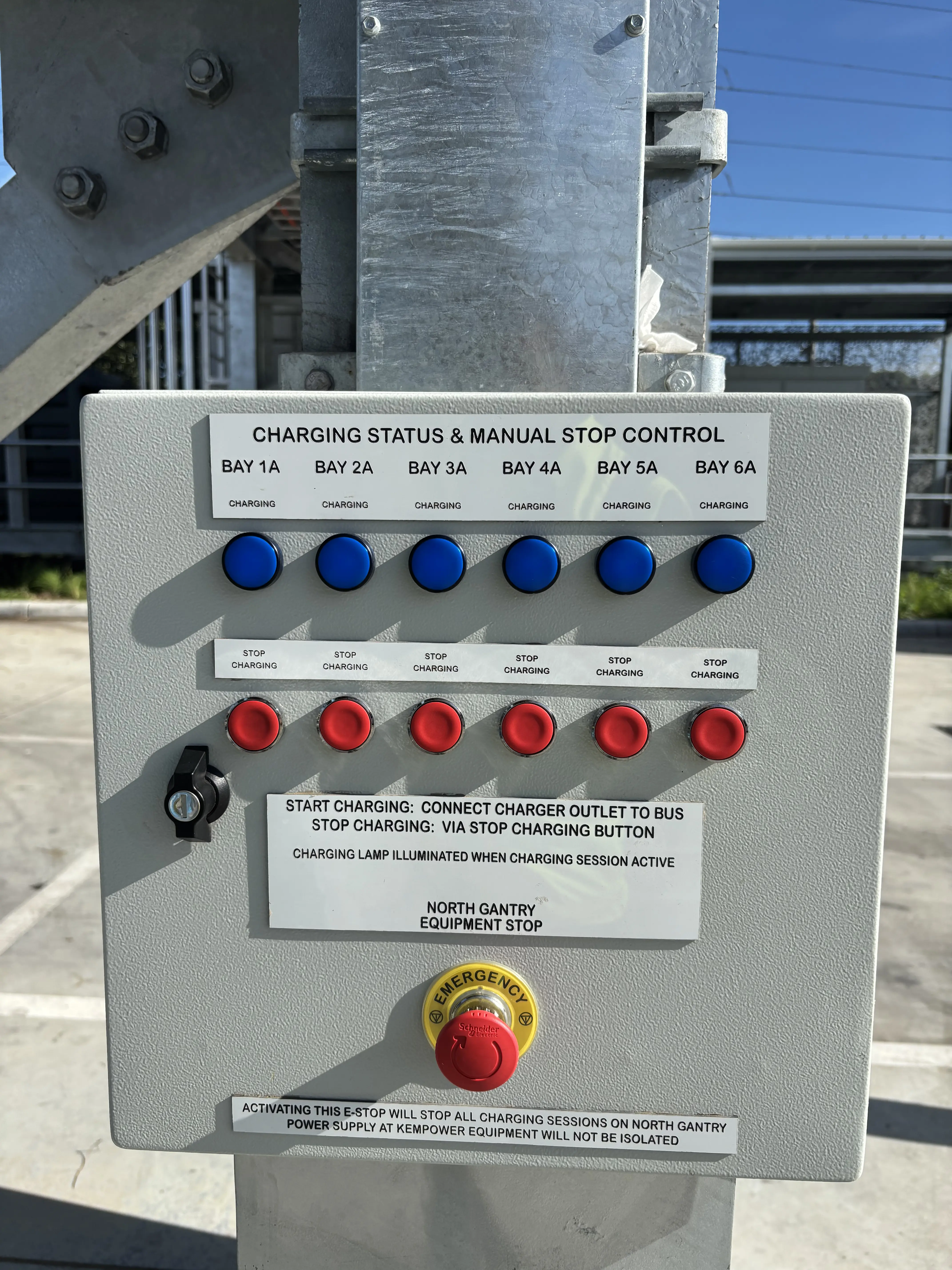
Charging status indicators and manual stop controls at the base of the gantry.
Dispatch and data
The tour also took in the depot's dispatch control room, where the fleet is monitored and managed in real time, and it reinforced how much a modern electric bus operation depends on data as heavily as it does on the vehicles themselves.
That data underpins predictive maintenance, which is one of the keys to running a fleet like this successfully. Rather than waiting for something to fail, the operation draws on the constant stream of information coming off the vehicles and charging infrastructure to identify issues before they take a bus off the road. In an operation where uptime, charge scheduling and battery health all interact, that proactive approach becomes fundamental to keeping the timetable intact.
Early days, clear trajectory
The most useful part of the visit was seeing the depot mid-transition, with the charging infrastructure visibly going in around us and a single electric bus in service on the day. That number will grow to 58 zero-emission buses introduced progressively, with the entire Preston fleet moving to electric over the ten-year term of the Metropolitan Zero Emission Bus Franchise, delivered in partnership with the Victorian Department of Transport and Planning.
Installation works still under way across the site at the time of the visit.
The depot services 14 routes across Melbourne's northern suburbs and forms part of a broader Victorian program to transition around a third of the metropolitan bus fleet to zero emissions by 2035.
Why it matters to us
Fleet electrification at depot scale covers HV supply, step-down transformation, DC fast charging and redundancy planning, which is the same set of problems Alpine Energy works on every day. Preston shows what zero-emission fleet charging looks like when it is built properly at scale in Australia, and it is a useful reference point for the operators now working through the same transition on their own sites.
Our thanks to the AEVA Victorian Chapter for the invitation and to the Kinetic team for the tour.
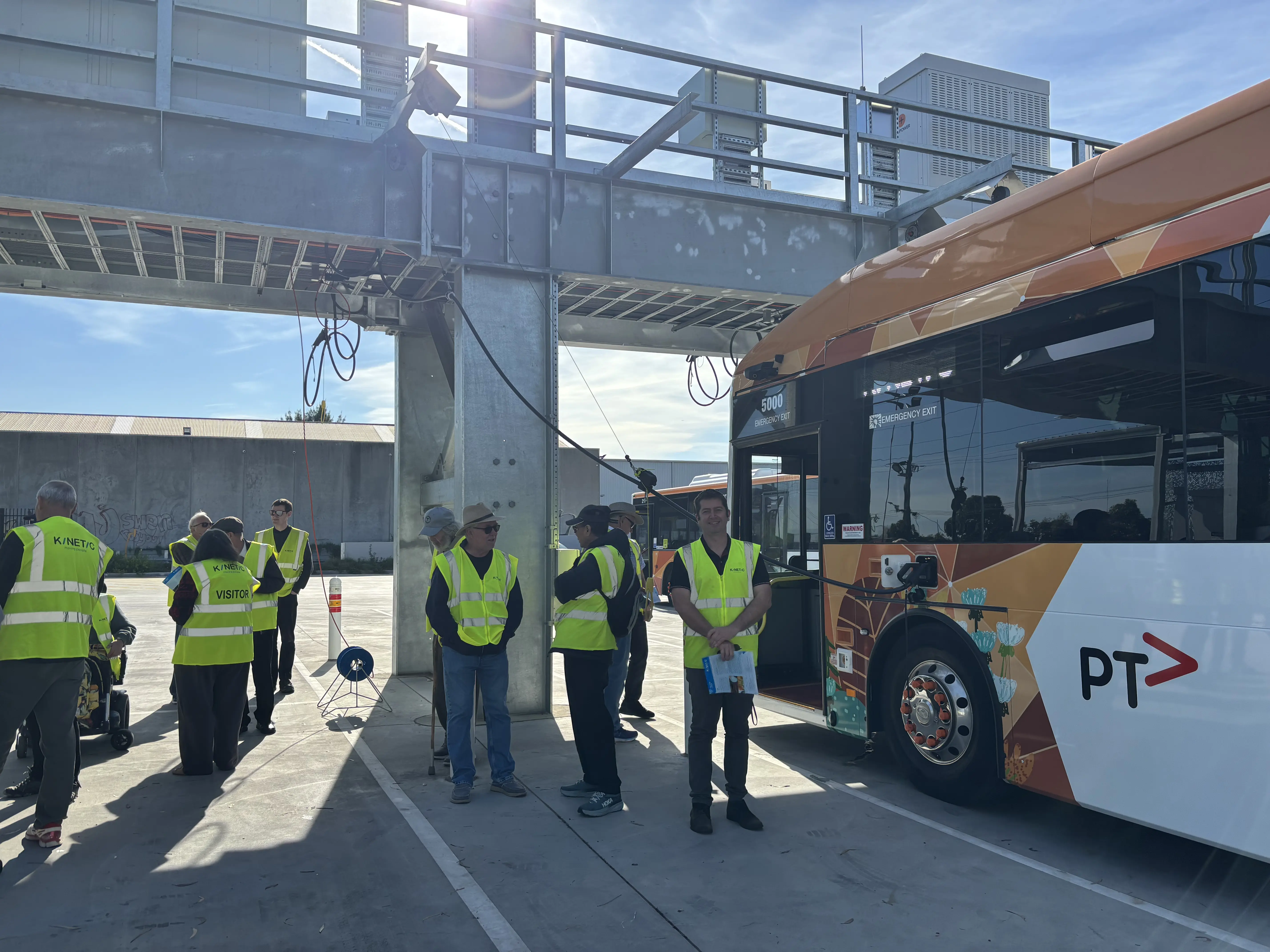
The AEVA Victorian Chapter group on site at the Preston depot.